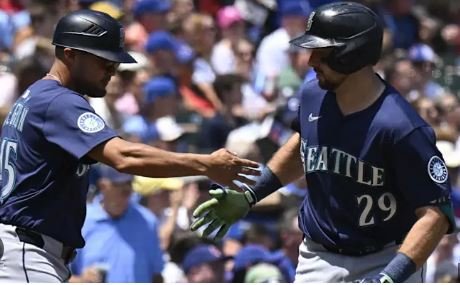
The Seattle Mariners are making a strategic move that might appear minor on the surface but could have meaningful implications over the course of the season. By bringing Mitch Garver back as Cal Raleigh’s backup, the team isn’t just filling a roster spot—it’s reshaping a role that quietly became important in 2025.
MLB Network insider Jon Morosi supports the decision, pointing to Garver’s experience, leadership in the clubhouse, and postseason track record as valuable assets. This move goes beyond familiarity or sentiment; it’s about putting players in positions where they can succeed. For the Mariners, that means finally using Garver in a role that suits him.
Garver’s first season in Seattle didn’t quite click. Signed to be a middle-of-the-order designated hitter, he struggled to meet expectations, finishing 2024 with a .172 average and a .627 OPS. However, those numbers don’t tell the full story. Historically, Garver has thrived more in specialized roles than as a primary offensive centerpiece.
In 2025, Seattle adjusted its approach, utilizing him as a backup catcher and part-time bat. While his numbers weren’t eye-catching, they were steady and effective. Morosi noted that Garver delivered quality at-bats in the postseason—something that holds greater importance for a team with playoff ambitions.
A Move Designed Around Cal Raleigh
At the heart of this decision is Cal Raleigh’s workload. Last season, he handled an immense burden, starting 119 games at catcher, logging over 1,000 innings, and enduring a demanding postseason that included a 15-inning game. Add in his World Baseball Classic duties, and it’s clear the Mariners were pushing him to his limits.
That approach isn’t sustainable.
Re-signing Garver signals a shift in strategy—prioritizing Raleigh’s long-term effectiveness over short-term gains. Keeping Raleigh fresh for the stretch run and postseason is far more valuable than squeezing marginal production from a lesser backup early in the year.
Garver gives manager Dan Wilson a dependable option behind the plate, helping maintain consistency in game-calling, pitch framing, and clubhouse chemistry—key elements for a pitching staff that thrives on rhythm.
Low Risk, Potentially High Reward
From a roster-building standpoint, the move is also low-risk. Seattle brought Garver back on a minor-league deal, meaning there’s little financial commitment but a clear baseline of reliability.
At 35, Garver may no longer be an everyday impact player, but he still offers the kind of depth contending teams need. He understands his role, doesn’t require regular at-bats to stay effective, and brings postseason experience to a team still learning how to handle expectations.
Morosi also highlighted a shift in Garver’s mindset, which could prove crucial. Players often perform better when their roles are clearly defined, and for the first time in Seattle, Garver knows exactly what’s expected of him—not to carry the offense, but to support it.

That clarity could turn what once looked like a disappointing tenure into a quietly productive one.
In the end, this isn’t just a sensible move—it’s a meaningful one. It reflects a deeper understanding of roster balance, player roles, and the subtle adjustments that can elevate a team from playoff hopeful to legitimate contender.
Leave a Reply