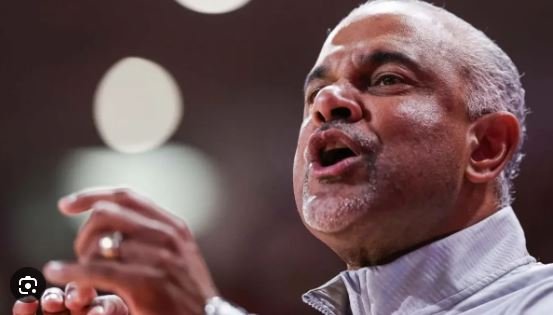
Former Jerome Tang revealed Sunday night that he plans to challenge his dismissal from Kansas State University after being fired for cause.
So what would that fight actually involve? And does he realistically have grounds to contest it?
How things escalated
The situation unfolded after Kansas State’s 91–62 defeat to University of Cincinnati. Following the loss, Tang delivered an emotional, now-viral postgame rant, stating that certain players did not deserve to wear the K-State uniform and suggesting that many of them would not be back next season.
In the next matchup against University of Houston, player names were removed from the backs of jerseys — a visible sign that tensions were high. By Sunday evening, the university announced it had parted ways with Tang “for cause,” a designation that voids the $18.67 million buyout in his contract.
In a statement shared through ESPN and reporter Pete Thamel, Tang made clear he disputes the university’s reasoning and intends to contest the termination.
“I am deeply disappointed with the university’s decision and strongly disagree with the characterization of my termination,” Tang said. “I have always acted with integrity and faithfully fulfilled my responsibilities as head coach.”
He also expressed gratitude to his players, staff, and fans, emphasizing pride in what the program achieved during his tenure and maintaining that he always acted in the best interests of the university and its student-athletes.
Is challenging the firing the right move?
Considering the $18.67 million at stake, it’s hardly surprising that Tang plans to dispute the decision. Few in his position would walk away from that kind of money without a fight.
His contract includes language prohibiting conduct that brings “public disrepute, embarrassment, ridicule, or scandal” upon the coach or the university. Because his comments went viral — even drawing attention from Pardon the Interruption — the university may argue that the situation meets the threshold for public disrepute or ridicule.
There have been no reports of scandal involving the fourth-year head coach, and the claim of “embarrassment” would likely hinge on how university officials frame the fallout from his remarks.
What strengthens Tang’s argument?
After the Houston game, player Abdi Bashir Jr. publicly defended Tang, saying the message delivered after the Cincinnati loss was appropriate and necessary.
“I thought it was the right message, [and] I don’t think coach Tang said anything wrong,” Bashir said. “I think that people forgot why we’re here, and I think they responded the right way. Nobody took [any] hard feelings towards it.”
If former players are willing to support Tang in legal proceedings, that could weaken the university’s claim that his comments caused significant embarrassment or harm. Ultimately, the outcome may depend on how convincingly Kansas State demonstrates reputational damage beyond the locker room.
Should this dispute move into a courtroom, it could become contentious and prolonged, with a resolution potentially months — or even years — away.
Leave a Reply