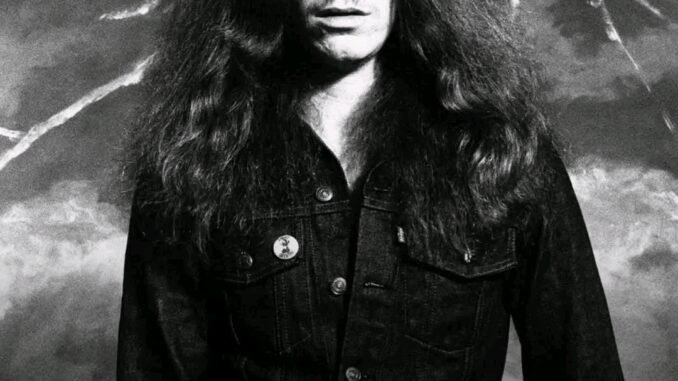
Cliff Burton: The Night Metallica Lost Its Soul on the Master of Puppets Tour
In the early hours of September 27, 1986, heavy metal history was forever altered on a quiet stretch of road in southern Sweden. Metallica—then a young band riding the explosive success of Master of Puppets—were asleep in their tour bus, traveling between shows on what was quickly becoming one of the most important metal tours of the decade. By sunrise, bassist Cliff Burton, one of the most gifted and influential musicians in the genre, was gone.
The Master of Puppets European tour was a turning point for Metallica. Released in March 1986, the album had already begun reshaping heavy metal with its complex arrangements, political themes, and ferocious precision. Night after night, Metallica were proving they were more than just a fast thrash band—they were evolving into something monumental. Cliff Burton stood at the heart of that evolution. His classical influences, unorthodox bass lines, and fearless musical curiosity elevated Metallica beyond their peers.
After a triumphant show in Stockholm, the band boarded their tour bus bound for Copenhagen, Denmark. During the long overnight drives, band members would often rotate bunks. According to accounts from the band, Burton and guitarist Kirk Hammett decided to draw cards to determine who would get a more comfortable sleeping spot. Burton won and chose Hammett’s bunk. That small, random moment would haunt Metallica forever.
Sometime around 6:15 a.m., near the town of Ljungby, the bus suddenly veered off the road. It skidded, rolled, and crashed violently into a field. Cliff Burton was thrown from the bus and pinned beneath it as the vehicle overturned. He died instantly at the age of 24.
The aftermath was chaos and disbelief. James Hetfield, barefoot and in shock, reportedly walked up and down the dark road searching for ice, convinced the bus must have slid. He found none. The driver claimed the road was icy, but weather reports and eyewitness accounts later disputed this explanation. No definitive cause was ever established. For the band, unanswered questions lingered—adding to the trauma of losing not just a bandmate, but a brother.
Cliff Burton was far more than Metallica’s bass player. In an era when bass often followed guitar riffs, Burton treated the instrument as a lead voice. His use of distortion, wah pedals, and melodic phrasing helped define Metallica’s early sound. Tracks like “Anesthesia (Pulling Teeth),” “For Whom the Bell Tolls,” and “Orion” showcased his vision—bridging classical music, psychedelia, and thrash metal into something entirely new.
Within Metallica, Burton was also a guiding force. He introduced the band to classical composers like Bach and Beethoven, pushing them to think beyond speed and aggression. His musical maturity helped shape Ride the Lightning and Master of Puppets into albums that transcended genre boundaries. Many believe Metallica’s willingness to experiment and grow in later years can be traced directly back to Burton’s influence.
The loss devastated the band. Lars Ulrich later described it as losing the glue that held them together. James Hetfield has spoken openly about the survivor’s guilt and emotional numbness that followed. At the time, Metallica faced an impossible choice: disband or continue. After much deliberation—and with encouragement from Burton’s family, who insisted Cliff would have wanted the band to go on—Metallica decided to carry on.
In December 1986, Jason Newsted was announced as Burton’s replacement. While Newsted brought his own strengths, stepping into Cliff Burton’s shadow was an unenviable task. Fans, critics, and even the band themselves struggled with the transition. The grief never truly faded; it simply became part of Metallica’s story.
Cliff Burton’s legacy, however, did not end on that Swedish road. Decades later, he remains a towering figure in metal history. Ranked consistently among the greatest bassists of all time, Burton is revered not just for technical skill, but for heart, intellect, and individuality. His refusal to conform—musically and personally—set a standard for generations of musicians who followed.
Metallica have never forgotten him. Master of Puppets is still often associated with Burton’s spirit, and the instrumental “Orion” is widely regarded as his musical epitaph. The band’s 2009 induction into the Rock and Roll Hall of Fame included a tribute to Burton, cementing his place in their legacy. Fans around the world continue to visit the crash site in Sweden, leaving flowers, picks, and handwritten notes—proof that Cliff Burton’s impact endures.
The tragedy of September 27, 1986, marked the end of one chapter and the painful beginning of another. Metallica would go on to conquer the world, but the band that emerged afterward was forever changed. Cliff Burton was not just lost to Metallica; heavy metal itself lost one of its brightest minds.
In the roaring amplifiers, intricate harmonies, and fearless ambition of metal music today, Cliff Burton still lives on—proof that even in death, true artistry never fades.
Leave a Reply